



競馬予想 無料 的中情報 | Blog
競馬予想 無料 的中情報 | Sustainable Packaging for Garment and Fashion Brands: Real Options That Actually Work

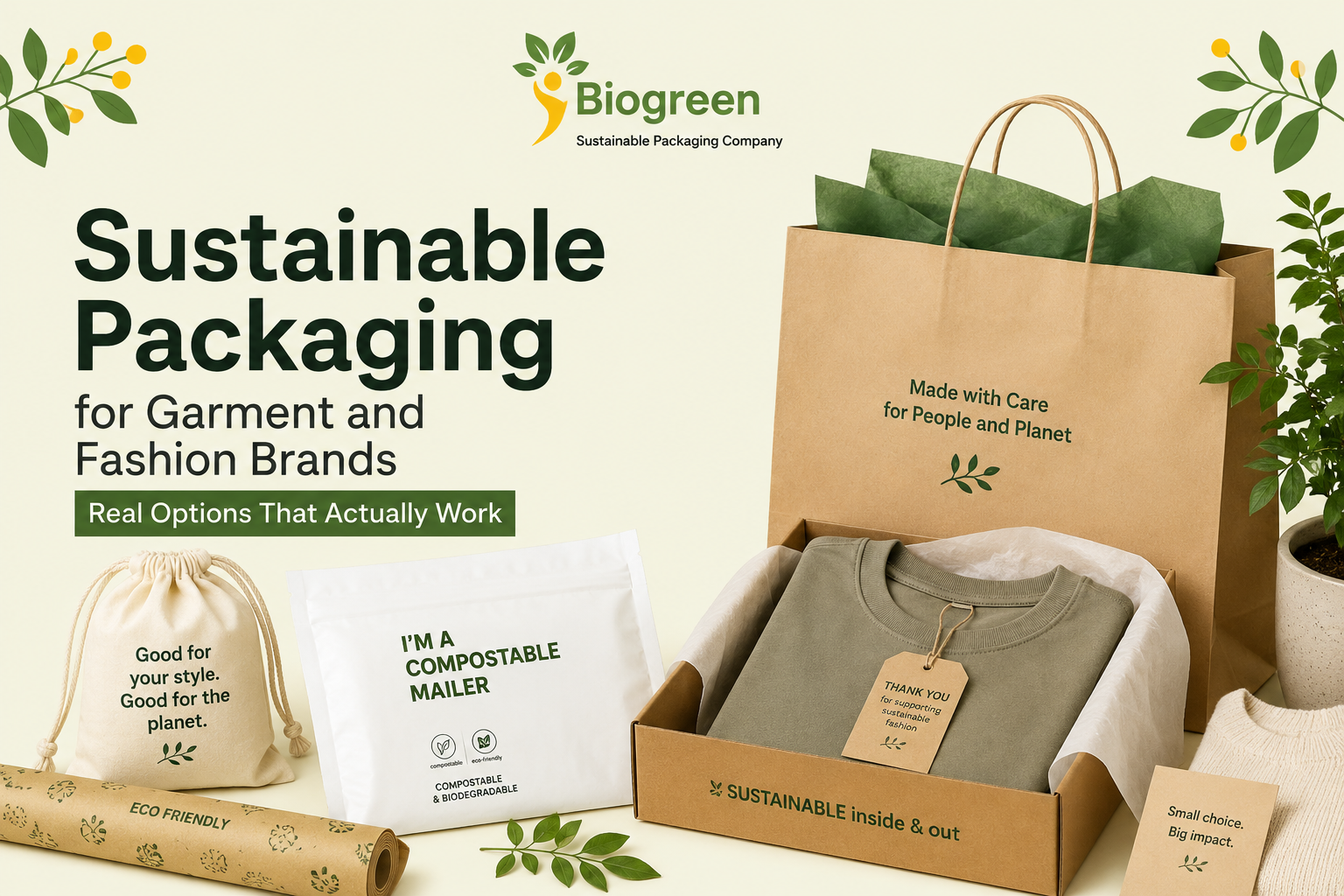
Fashion has a packaging problem that doesn’t get talked about as often as its better-known sustainability issues. Most of the conversation in sustainable fashion focuses on fabric sourcing, labour practices, and water use in dyeing. Packaging gets less attention — but it shouldn’t.
A single mid-sized clothing brand shipping direct-to-consumer can go through hundreds of thousands of polybags per year. Add in the garment bags used in retail display, the collar inserts, the tissue wrapping, the outer mailers — and packaging becomes a significant and largely plastic-intensive part of the supply chain.
In 2026, this is harder to ignore for several reasons. India’s plastic ban covers carry bags below 120 microns, which includes most standard retail polybags. Fashion brands exporting to the EU face incoming packaging sustainability requirements under the EU’s Green Deal framework. And customers — particularly the millennial and Gen Z consumers who make up a large share of fashion spending — actively notice and respond to packaging choices.
This guide is for clothing brands, garment manufacturers, fashion retailers, and D2C fashion businesses that want practical, specific answers about what sustainable packaging options are available, how they perform, and how to make the switch.
Why the Fashion Industry’s Packaging Problem Is Getting Harder to Ignore
Let’s put some context on the scale of the issue.
A standard polybag for a folded t-shirt weighs about 5 grams. A brand shipping 500,000 units per year — not an unusually large number for a mid-size Indian fashion brand — is using around 2,500 kg of thin plastic polybags annually in that one product category alone. Most of that plastic is below 120 microns, already prohibited under India’s Plastic Waste Management Rules.
Beyond the volume, there’s the visibility problem. Fashion packaging interacts with customers directly and in a way that other B2B packaging doesn’t. When someone receives a clothing order, they handle the outer mailer, the inner garment bag, possibly tissue paper or protective wrapping. Every piece of packaging is a tangible expression of the brand’s values. For brands that have invested in sustainable fabric sourcing or ethical manufacturing, plastic polybags create an obvious contradiction.
And then there’s the export angle. Garment exporters supplying to European or North American buyers are increasingly receiving packaging specifications from their buyers that include sustainability requirements. Being unprepared for this conversation is becoming a commercial disadvantage.
Types of Packaging Garment Brands Typically Use (And Their Problems)
Understanding what you’re replacing is the starting point for choosing the right sustainable alternatives.
Retail Polybags — the thin transparent bags used to individually wrap garments for retail display or D2C shipment. Most fall well below 120 microns and are directly covered by India’s plastic ban.
Outer Garment Bags — the longer transparent bags used for hanging garments in retail environments or for shipping dresses, jackets, and formal wear. Typically made from LDPE or HDPE, hard to recycle, often contaminated with labels and adhesive making recycling even less viable.
Mailer Bags — the poly mailers used by D2C fashion brands for shipping orders. Usually LDPE, typically below 120 microns, and one of the highest-volume plastic items in direct fashion ecommerce.
Collar Inserts and Shirt Supports — the plastic components used inside shirts and dress shirts to maintain shape during retail display and shipping. Small individually but generated in very high volumes by shirt manufacturers and exporters.
Tissue Paper and Inner Wrapping — often plastic-coated paper or thin film, used for wrapping individual items within outer packaging. More variable in material, but often neither recyclable nor compostable in practice.
Sustainable Alternatives That Actually Work at Scale
Biodegradable Garment Bags
The most direct replacement for conventional polybags and hanging garment bags. Biodegradable garment bags made from PBAT-PLA blends provide the same clarity and moisture protection as conventional LDPE garment bags, with certified compostability.
For retail applications, the key requirements are transparency (so the garment is visible through the bag), sufficient strength to protect during display and handling, and print compatibility for branding. Certified compostable garment bags meet all three requirements.
For D2C fashion brands that ship individual garments, the biodegradable garment bag can serve as both the inner protective packaging and, for lighter items, the primary shipping container.
One thing worth noting: biodegradable garment bags in very humid storage conditions can behave differently from conventional plastic bags. If your garments are stored in a warehouse with high humidity for extended periods before shipping, test the bags in those specific conditions.
Compostable Poly Bags for Folded Clothing
For folded garments — t-shirts, casual bottoms, knitwear — compostable poly bags made from certified compostable material are the right replacement for standard retail polybags. They’re available in the same size range as conventional polybags, provide equivalent protection against dust and moisture, and are compliant with India’s plastic bag regulations.
For brands that individually barcode and display items in polybags, these bags accept printed barcodes and labels in the same way as conventional alternatives.
Biodegradable Transparent Collars for Shirts
Shirt collars — the stiff inserts that hold a dress shirt’s collar in shape during retail display — are typically made from conventional plastic. They’re small but generated in very high volumes by shirt manufacturers and exporters.
Biodegradable transparent collars made from compostable materials serve the same functional purpose with the same visual clarity, while meeting the sustainability requirements increasingly being imposed by global fashion buyers on their garment suppliers.
Sustainable Mailer Bags for D2C Fashion Brands
For D2C fashion brands shipping direct to customers, the outer mailer is the first physical touchpoint with the brand. This is where the sustainability signal lands most clearly for customers.
Biodegradable courier bags in sizes appropriate for folded clothing are the right replacement for conventional poly mailers. They’re tamper-evident, self-sealing, tear-resistant, and available with custom printing. The custom printing opportunity is particularly valuable for fashion brands — integrating a sustainability message or the compostable certification mark into the mailer design turns the packaging itself into a brand communication.
Compostable Butter Paper for Wrapping
For brands that use tissue or wrapping paper inside packaging for a premium unboxing experience, compostable butter paper is the appropriate sustainable alternative. It provides the same soft-wrap presentation as conventional tissue paper while being certified compostable.
This is especially relevant for premium and luxury fashion segments where the interior packaging presentation is part of the product experience.
What Fashion Customers Actually Care About
There’s a tendency to assume that sustainable packaging is a concern only for certain customer types — eco-activists, premium consumers, or younger demographics. The reality in 2026 is broader than that.
Research consistently shows that when given a choice between identical products, consumers prefer the one with more sustainable packaging — across age groups, price points, and geographies. The preference is stronger among urban consumers and among the 18 to 35 age group that dominates fashion spending in India’s growing D2C market.
What matters more than the material choice is the communication. Customers respond to packaging that acknowledges the environmental choice that was made. A biodegradable mailer with a simple line saying “this bag is certified compostable — dispose with wet waste” is more effective than the same bag with no explanation. The transparency builds trust in a way that silent environmental choices don’t.
For fashion brands, this also means that the sustainable packaging investment pays for itself partly in brand equity — reduced returns, higher repeat purchase rates, and more positive brand associations are all documented effects of visible sustainability commitments in fashion.
How to Communicate Your Packaging Upgrade to Customers
A few approaches that work:
On the packaging itself: Print a brief sustainability message on the outer mailer or attach a small insert card. Keep it simple — one or two sentences explaining what the material is and how to dispose of it correctly.
In your order confirmation email: A line noting that your packaging is certified compostable takes 30 seconds to add and is noticed by customers who are thinking about sustainability.
On your website and social channels: Announcing a packaging switch is genuinely shareable content. Customers who care about sustainability will engage with it and share it — free marketing that also happens to be authentic.
On the product label or hangtag: For products sold in retail, a brief note about the sustainable packaging reinforces the brand story at point of sale.
Export Compliance: Green Packaging for Fashion Exports
For Indian garment exporters supplying to EU, UK, or US buyers, packaging sustainability is increasingly part of the buyer’s specification sheet.
EU buyers are moving toward requiring EN 13432-certified packaging from their garment suppliers. UK buyers need to consider the Plastic Packaging Tax implications for packaging imported into the UK. US buyers — particularly in the sustainable fashion segment and major retailers — often have specific packaging sustainability criteria in their supplier agreements.
Working with a packaging manufacturer who can provide EN 13432 documentation alongside Indian IS 17088 certification puts garment exporters in the strongest position for international buyer conversations. This is worth confirming with your packaging supplier before renewing supplier agreements or pitching new export buyers.
Conclusion
The garment and fashion industry’s packaging footprint is large, visible, and — in 2026 — increasingly regulated. The good news is that every major category of fashion packaging now has a certified sustainable alternative that performs comparably to conventional plastic at accessible pricing.
The transition doesn’t need to happen overnight. Starting with the highest-volume items—retail polybags, D2C mailer bags—captures the biggest environmental and compliance benefit quickly. From there, working through collar inserts, garment bags, and inner wrapping creates a fully sustainable packaging chain.
For fashion brands, this is also a brand story. The customers who notice that your packaging changed, and who appreciate that it did, are exactly the customers worth investing in.
FAQs
Ans: Yes—certified compostable garment bags are transparent and provide clear visibility of the garment inside, comparable to conventional LDPE garment bags in retail display applications.
Ans: MOQ varies by size and specification. Contact Biogreen Bags’ sales team with your size requirements and estimated monthly volume for current MOQ and pricing.
Ans: Yes — custom printing is available on biodegradable garment bags and mailer bags. Contact the team for printing specifications, setup costs, and minimum quantities for custom print orders.
Ans: Yes — PBAT-based certified compostable garment bags provide moisture and dust protection equivalent to conventional plastic garment bags for standard storage and transit applications.
Ans: The cost premium is typically 15 to 25% over conventional polybags. At commercial volumes, this narrows, and most brands find the combined compliance and brand benefit justifies the difference.